
Digital Ocean Systems
HSL Reasoning & Hexactine Graph Memory
Standard vector databases and dense embedding retrievers suffer from progressive semantic drift, catastrophic forgetting, and latency degradation as memory stores scale. Coralfil Labs designed the Hexactine Syncytium Lattice (HSL) graph memory, drawing biomimetic architectural inspiration from British Columbia's prehistoric glass sponge reefs.
Biological Inspiration: Glass Sponge Syncytia
Endemic to the deep glacial fjords and continental shelves of western Canada, hexactinellid glass sponge reefs (Aphrocallistes vastus) possess a unique syncytial histology. Millions of individual silica spicules with six distinct perpendicular rays (degree = 6) interlock into an unbroken, rigid structural lattice. Electrical impulses and metabolic signals propagate along this scaffold without synapses, achieving zero-drift signal transmission across kilometers of living seabed.
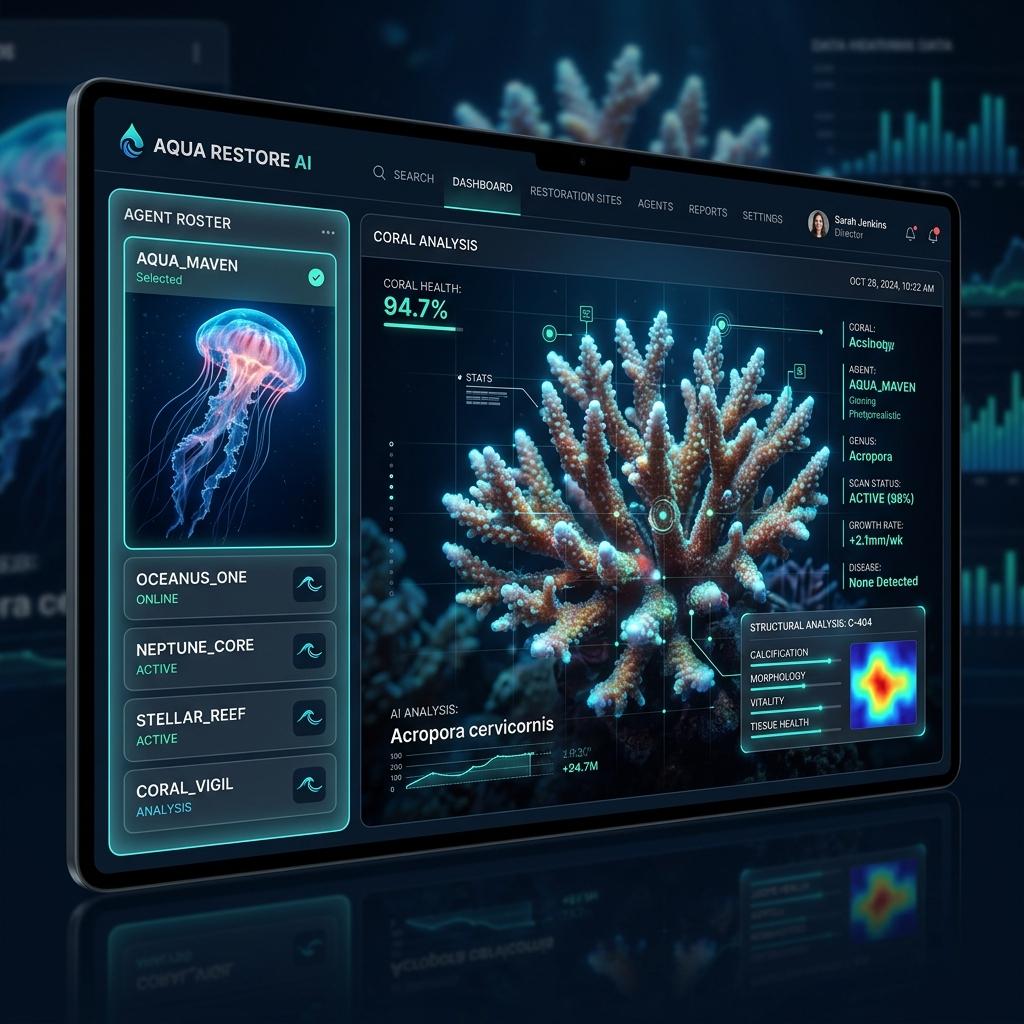
Technical Architecture & Graph Topology
HSL implements a structured Neo4j property graph where every memory node (spicule) maintains six fixed topological directions corresponding to orthogonal physical and semantic dimensions:
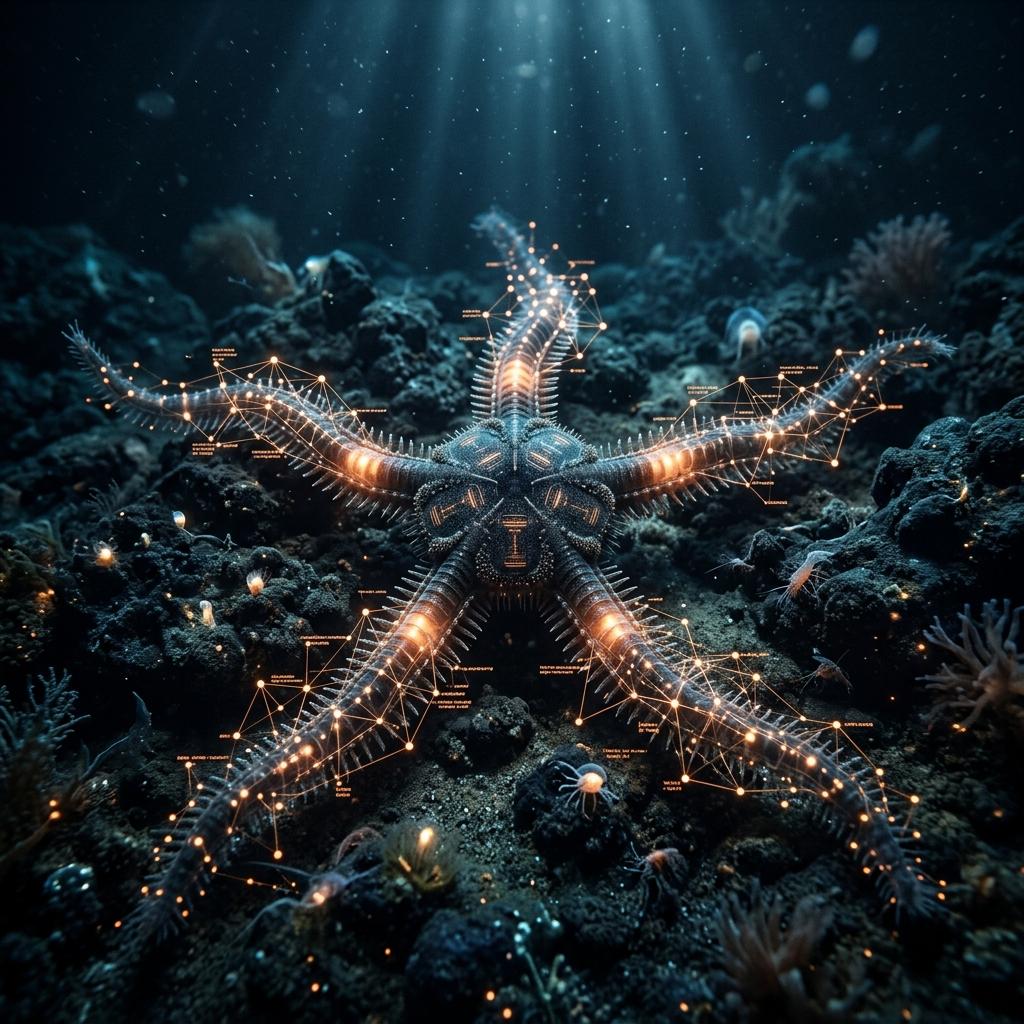
- Ray 1 & 2 (Thermodynamic Invariants): Binds data strictly to deterministic physical equations (TEOS-10 seawater thermodynamics, pressure-salinity-density curves).
- Ray 3 & 4 (Spatial & Bathymetric Coordinates): Locks relational telemetry to verified geographic coordinates, depth zones, and hydrodynamic flow vectors.
- Ray 5 & 6 (Statutory & Jurisdictional Mandates): Enforces strict alignment with Canadian statutory guidelines (DFO, CFIA, CSSP) and empirical biological thresholds.
Operational Benchmarks
Integration across Atlantis Platforms
HSL serves as the canonical persistent memory store for the entire Atlantis ecosystem, grounding the Atlantis-Pyramid 32B model, the Tidegate WebGPU telemetry viewer, and multi-agent reasoning pipelines in empirical oceanographic facts.