
Materials Research
Nuristone: Engineered Marine Biocomposite Applications
Nuristone integrates finely micronized biogenic aragonite and calcite derived from upcycled Pacific oyster shells with a biodegradable chitosan-alginate polyelectrolyte matrix. Modulating crystal phase ratios, particle size grading, and crosslinking ionic strength yields distinct physical formulations optimized for 3D extrusion, ocean chemistry buffering, and underwater acoustics.
1. 3D Printer Pellets & Cold Extrusion Feedstock
Unlike conventional concrete or sintered ceramic artificial reefs that require high-heat calcination (releasing embodied carbon dioxide), Nuristone pellets are formulated for room-temperature paste and pneumatic pellet 3D printing. The binder relies on cold ionic gelation, preserving the natural crystalline organic matrix of the shell. This allows rapid robotic fabrication of biomimetic rugose micro-crevices that mimic natural glass sponge reef structures.
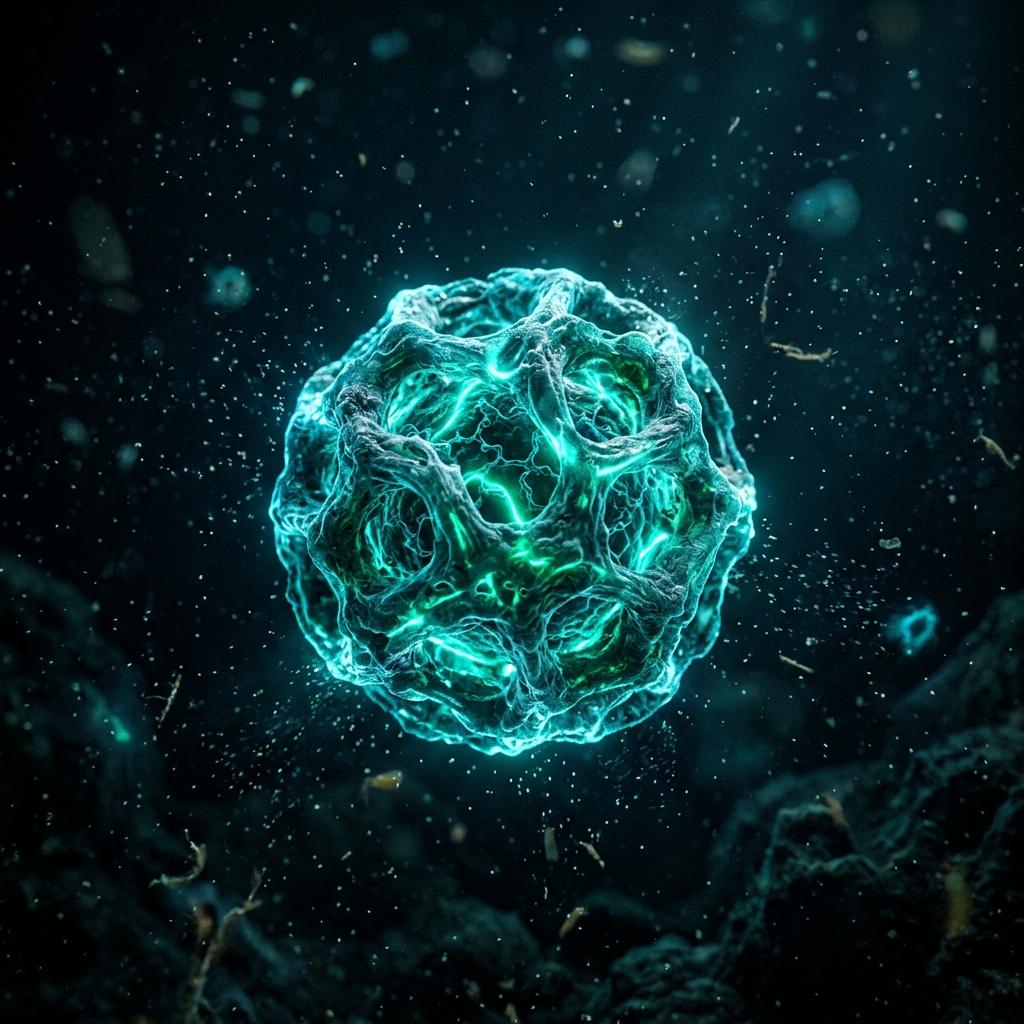
Current Research Status: Laboratory extrusion prototyping and rheological optimization active.
2. Deployable Ocean Chemistry Buffers
As coastal upwelling and atmospheric acidification lower localized seawater pH, biogenic calcium carbonate dissolves progressively to release bicarbonate alkalinity into the diffusive boundary layer. Nuristone deployable buffer blocks are engineered with controlled surface-area-to-volume ratios to provide passive, self-limiting chemical neutralization in juvenile bivalve nurseries and tidally restricted coves.
Read our peer-reviewed synthesis on oyster shell alkalinity buffering kinetics
3. Hatchery Buffering Slurry
Commercial bivalve hatcheries drawing Pacific coastal seawater experience seasonal aragonite undersaturation events (omega aragonite < 1.0) that cause shell dissolution and hinge deformities in veliger larvae. Nuristone hatchery slurry is a sterile, micronized biogenic calcium carbonate suspension designed for metered chemical stabilization of larval culture tanks without ionic shock.
Review experimental water chemistry buffering protocols for commercial hatcheries
4. Spat Substrates & Larval Setting Plates
Free-swimming oyster pediveligers rely on chemical calcium cues and physical micro-rugosity to initiate irreversible benthic attachment. Nuristone settlement plates reproduce the natural foliate microstructure and chemical signature of aged oyster cultch, providing juvenile spat with physical protection against hydrodynamic shear and benthic predators.
Explore substrate topography and spat survival research in Baynes Sound
5. Acoustic Baffles & Low-Frequency Port Dampening
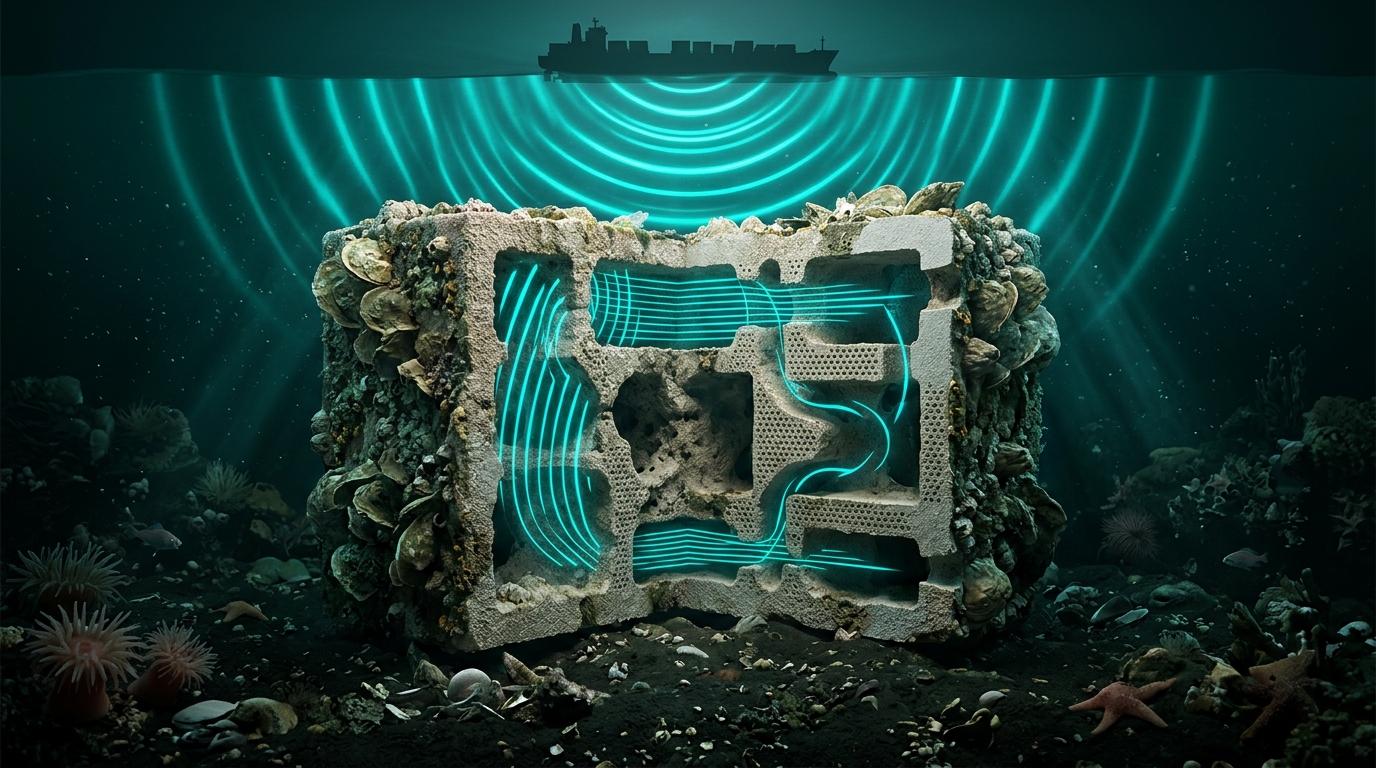
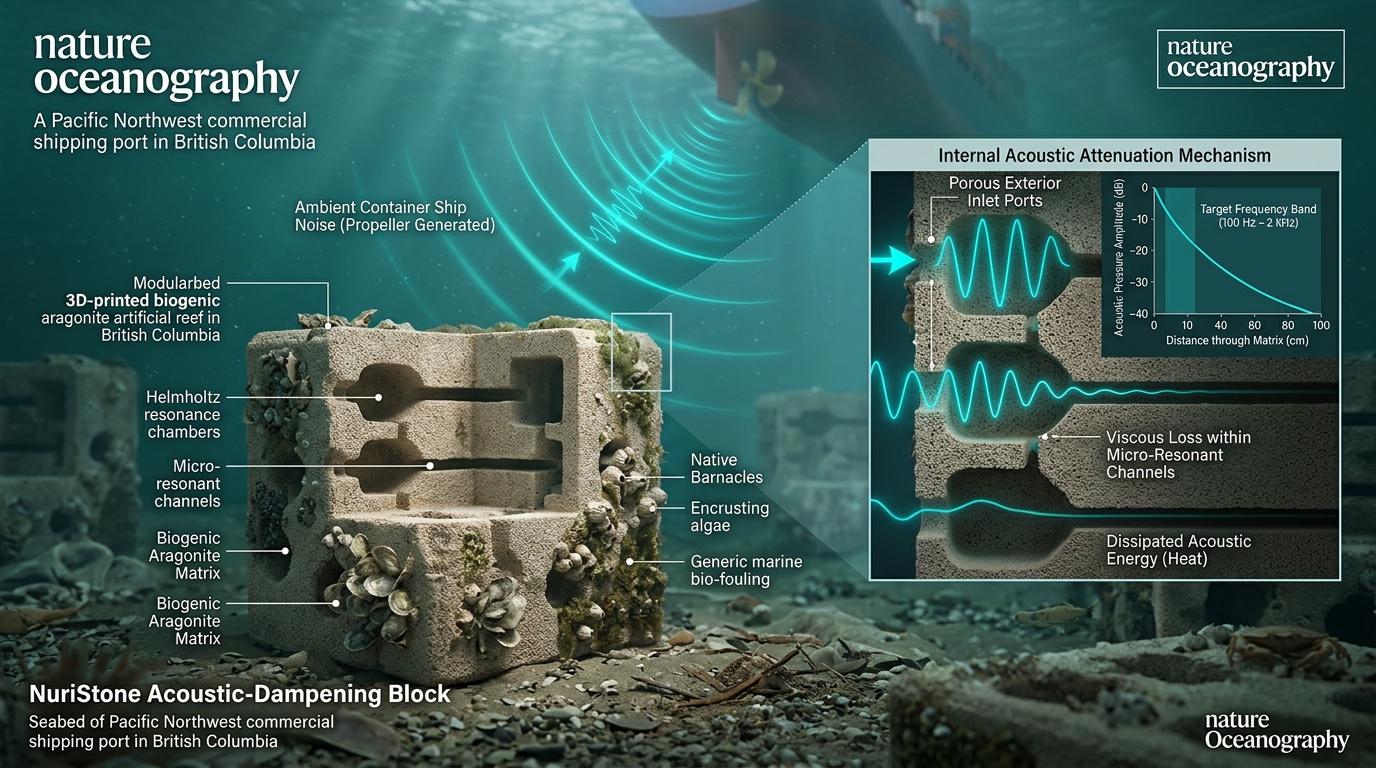
Commercial maritime harbors and shipping terminals generate pervasive low-frequency vessel noise (50-1000 Hz) that reverberates off sheer vertical concrete seawalls, disrupting sensory navigation and communication in salmonids and marine mammals. Nuristone acoustic reef modules incorporate internal Helmholtz resonant chambers and tortuous porous channels within the extruded shell matrix to absorb and dissipate underwater sound energy.
Read the complete technical paper on acoustic dampening in port restoration