
Materials Research
Oyster Reef Construction & Estuarine Habitat Engineering
Bivalve reefs are biogenic geological structures created across millennia as generations of oysters settle upon the calcareous shells of their predecessors. In British Columbia estuaries where commercial dredging, industrial shoreline hardening, and heavy siltation have buried historical shell foundations, returning clean, processed shell cultch is foundational to restoring self-sustaining wild populations and buffering coastal waters against acidification.
Shell Gardens & Intertidal Cultch Placement
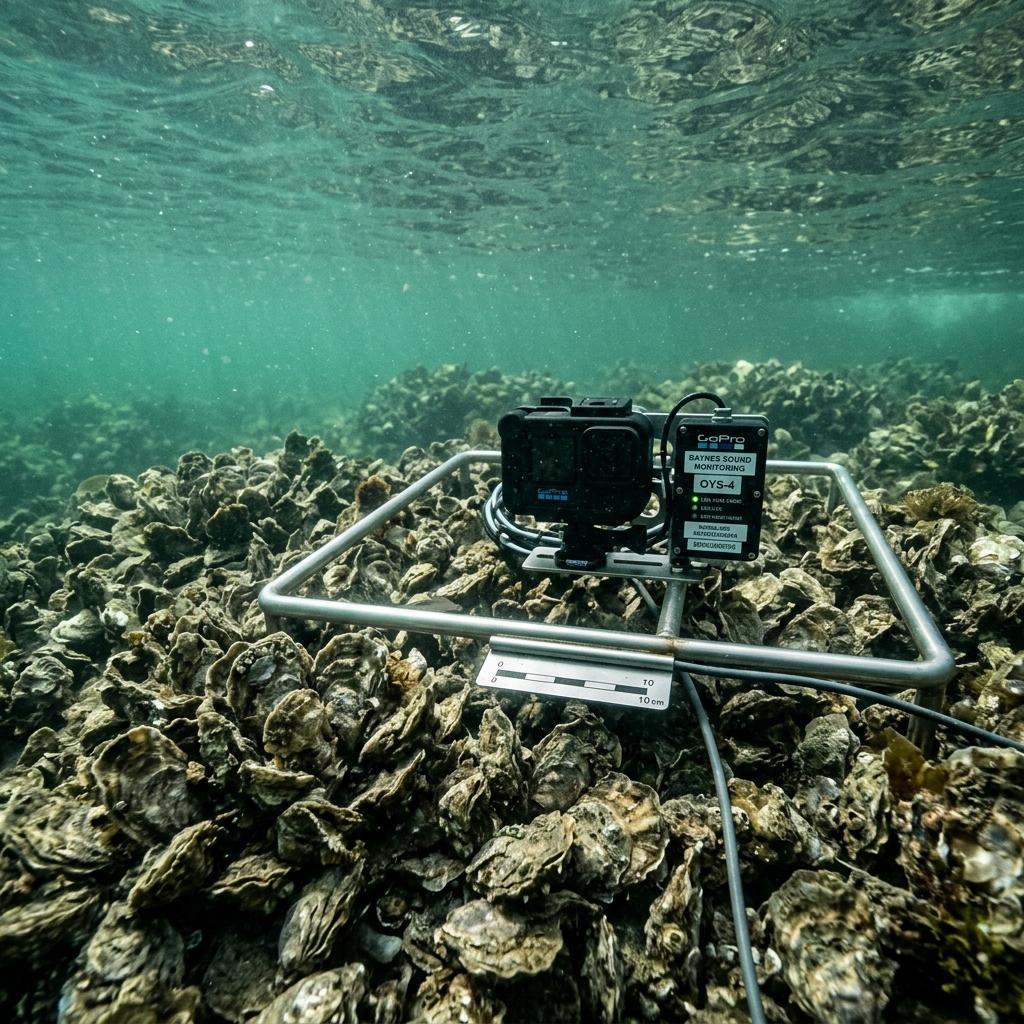
Shell gardens consist of washed, pathogen-free oyster and clam shells spread across targeted tidal elevations to create high-rugosity settling beds. As ocean currents flow through these porous matrices, micro-eddies reduce local shear stress, allowing free-swimming larvae to adhere to the cultch. Over time, the slow, natural dissolution of the carbonate minerals buffers porewater chemistry in the sediment, protecting vulnerable juvenile spat from dissolution mortality.
Oyster Reef Living Breakwaters
Rising sea levels and intensified winter storm surges threaten coastal infrastructure with shoreline erosion and salt-marsh retreat. Living breakwaters constructed with stacked shell cultch modules and Nuristone biocomposites dissipate incoming wave energy through friction and turbulence while providing continuous vertical growth as oysters and encrusting organisms accrete biomass.
Estuarine Ecosystem Services & Native Olympia Oysters
In British Columbia, the native Olympia oyster (Ostrea lurida) was historically abundant across the Salish Sea and sheltered inlets of Vancouver Island before intensive commercial overharvesting in the late nineteenth and early twentieth centuries collapsed wild stocks. Re-establishing structured biogenic shell beds provides critical nursery habitat for juvenile Dungeness crabs, juvenile salmonids, and benthic invertebrates while enhancing water filtration.
Historical Ecology & Restoration of the Olympia Oyster in British Columbia
Traditional Ecological Knowledge & Clam Garden Stewardship
For thousands of years prior to European contact, Coast Salish and Nuu-chah-nulth peoples engineered sophisticated intertidal mariculture systems known as clam gardens (Lokiwey / KOINAS). By constructing low-tide rock retaining walls and terracing sand-gravel flats enriched with broken shell fragments, Indigenous guardians dramatically expanded optimal intertidal bivalve habitat, stabilized slope geometry, and elevated localized carbonate availability.
Coralfil Labs respects Traditional Ecological Knowledge (TEK) as living, sovereign indigenous science governed by the respective First Nations. Our collaborative role is focused strictly on technical materials characterization, providing high-purity upcycled shell products when invited, and supporting community-led coastal restoration.
As documented in national reporting (The Globe and Mail, 2026), discarded shells from depuration facilities in Ladysmith and Cowichan Bay are processed into cultch and mineral flour to support ongoing Indigenous-led terrace and wall restorations across the Southern Gulf Islands.